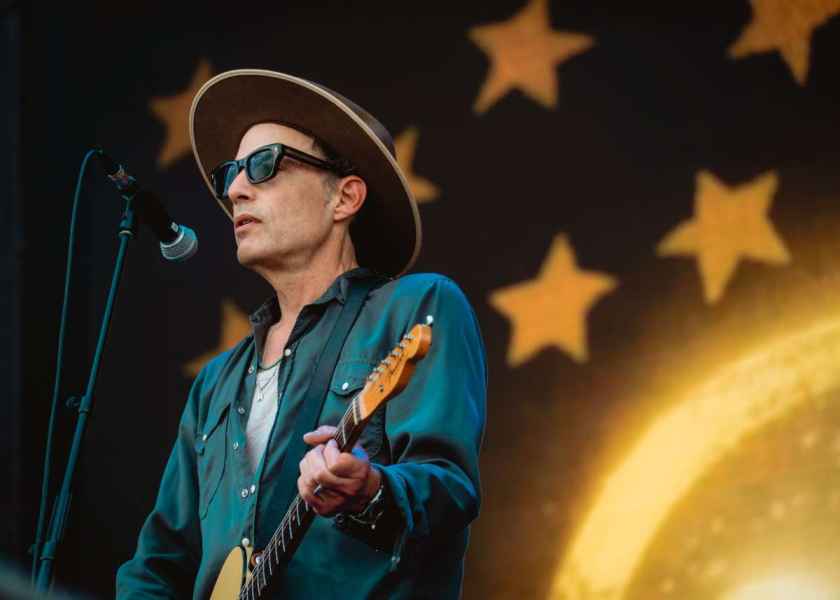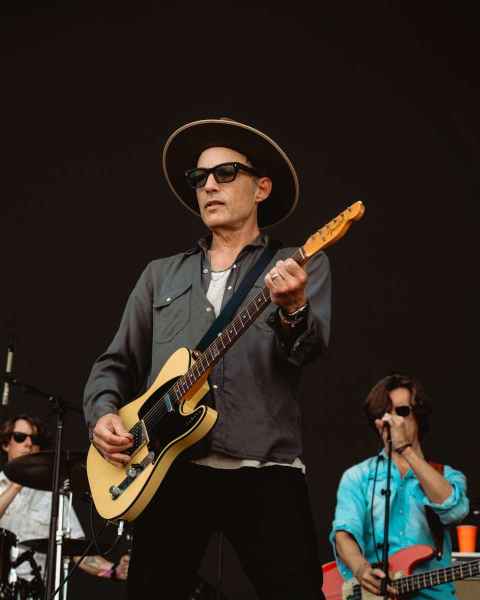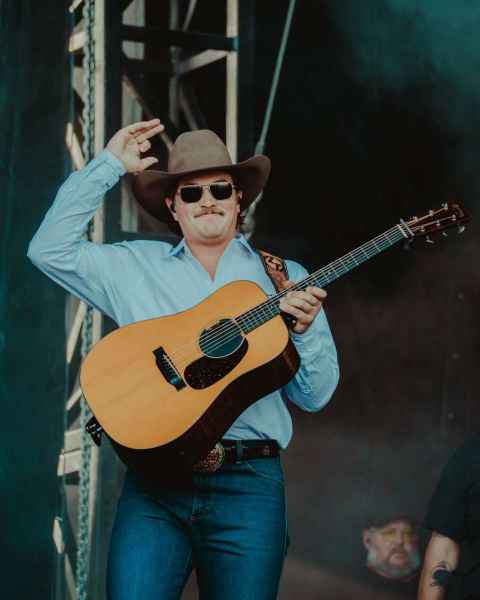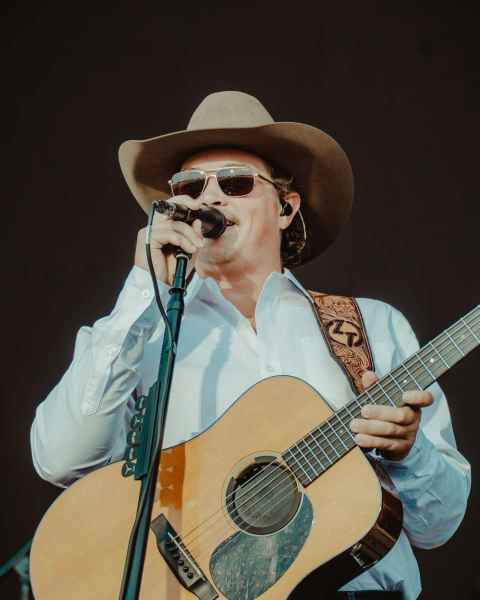



Railbird Festival returned to Lexington this month with the kind of easy confidence that comes from knowing exactly what it is. The Kentucky festival has never tried to be everything to everyone. Instead, it has carved out its own lane at the intersection of country, Americana, folk, bourbon and local pride, and the 2026 edition leaned fully into that identity across two packed days at The Infield at Red Mile.
Held June 6 and 7, this year’s Railbird brought together a stacked lineup led by The Lumineers on Saturday and Tyler Childers on Sunday, with more than 30 artists performing across three stages. But the weekend was not simply about the headliners. Railbird’s strength was in the way it connected generations and corners of roots music, from radio-ready country to Kentucky-bred bluegrass, Southern soul, indie folk and the kinds of rising artists who made the smaller stages feel just as essential as the main one.
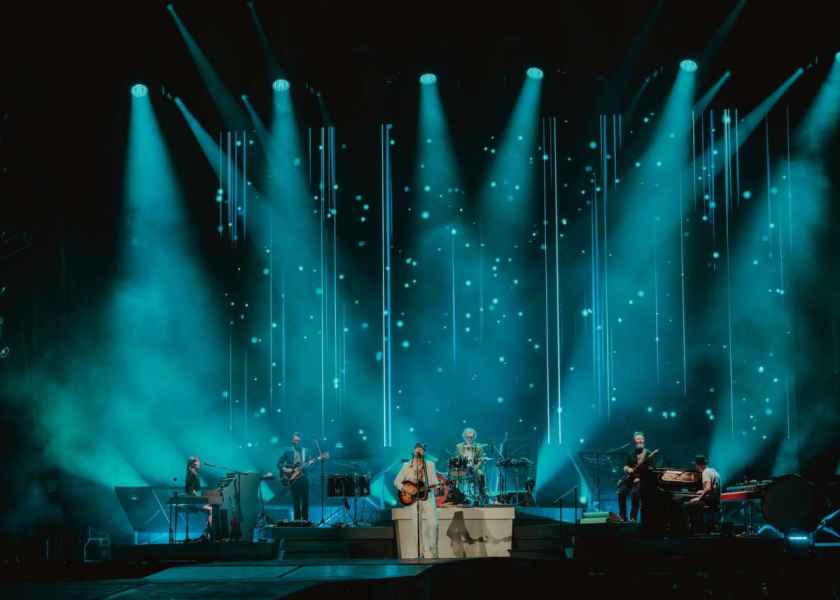
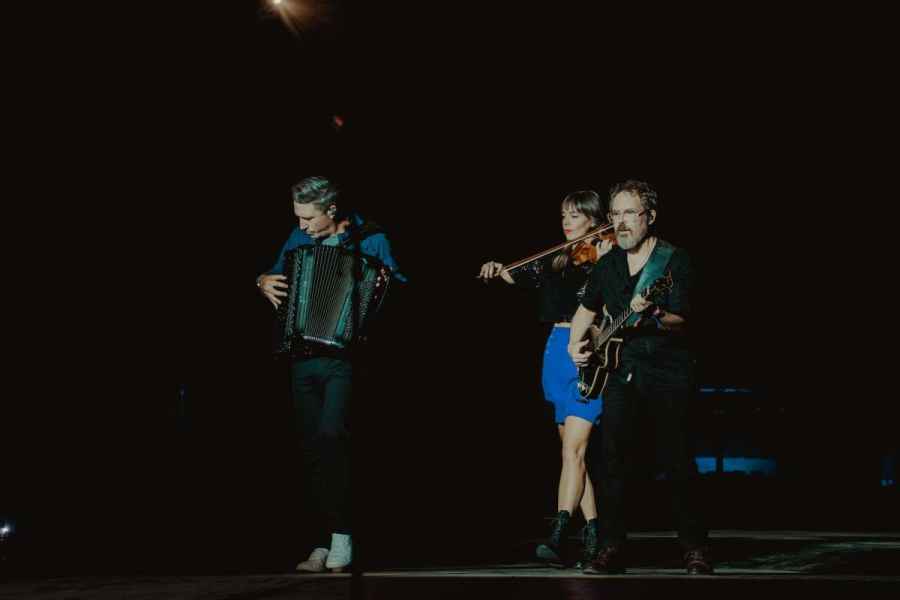
Saturday had the feel of a festival easing into a long summer night. The Lumineers closed out the first day with the kind of polished, communal folk-rock set that has made them festival staples, bringing big singalong energy to a crowd that had already spent the day bouncing between stages. Their songs are built for moments like this, where thousands of voices can turn a familiar chorus into something bigger than the recording.
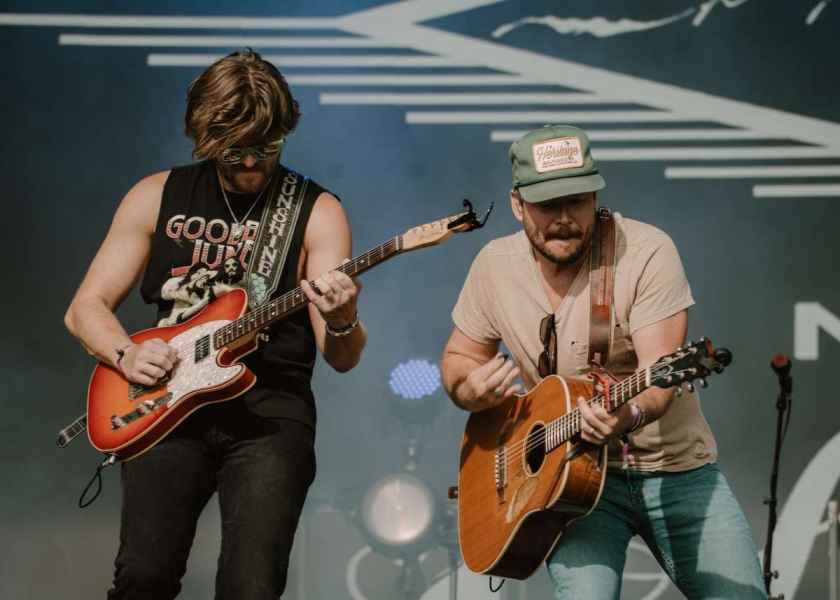
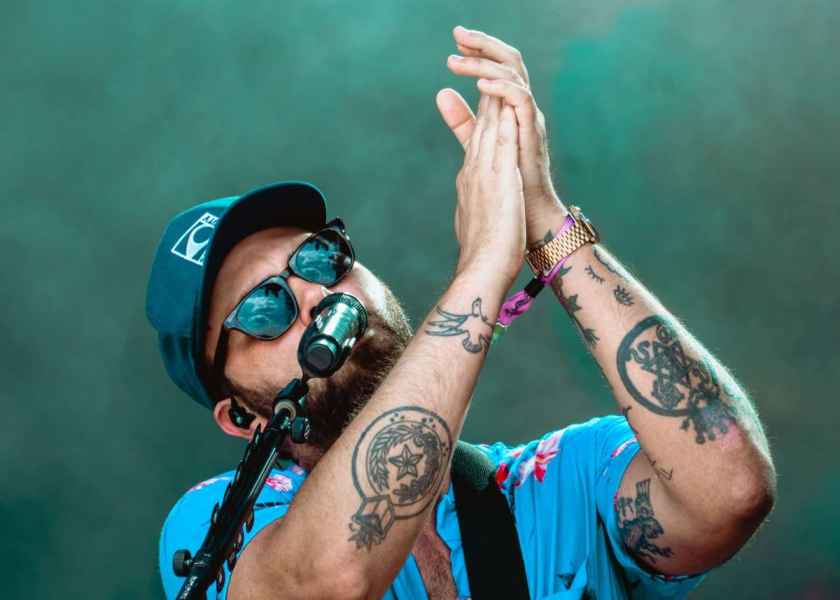
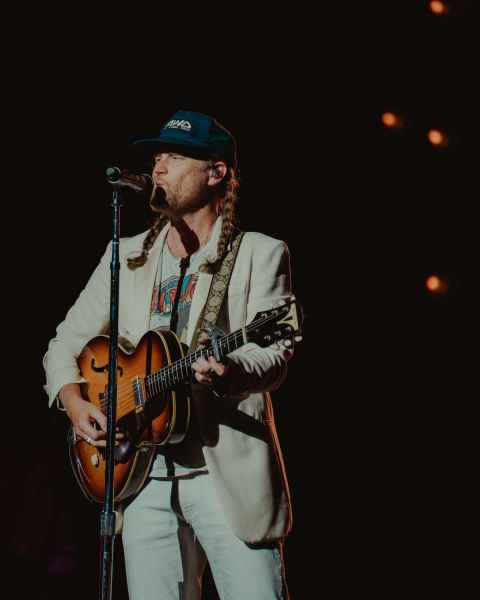
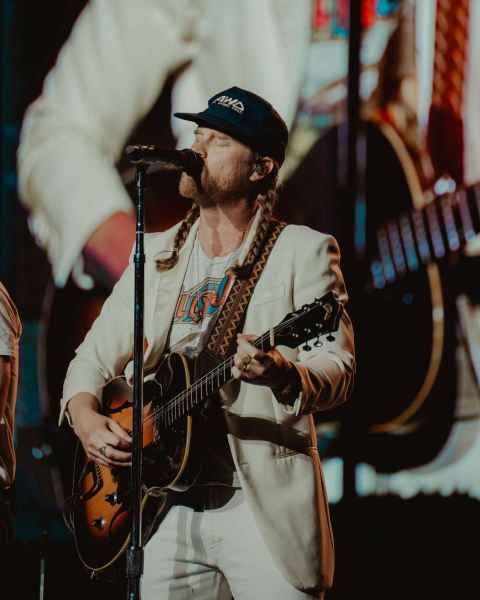
Earlier in the day, Mt. Joy gave Railbird one of its most natural fits, bringing a warm, loose and crowd-friendly set that bridged the space between jam-adjacent rock and festival folk. Stephen Wilson Jr. also made a strong impression, delivering the kind of performance that seemed to grow in intensity as it went, including a standout moment that carried his presence beyond the stage and deeper into the crowd.
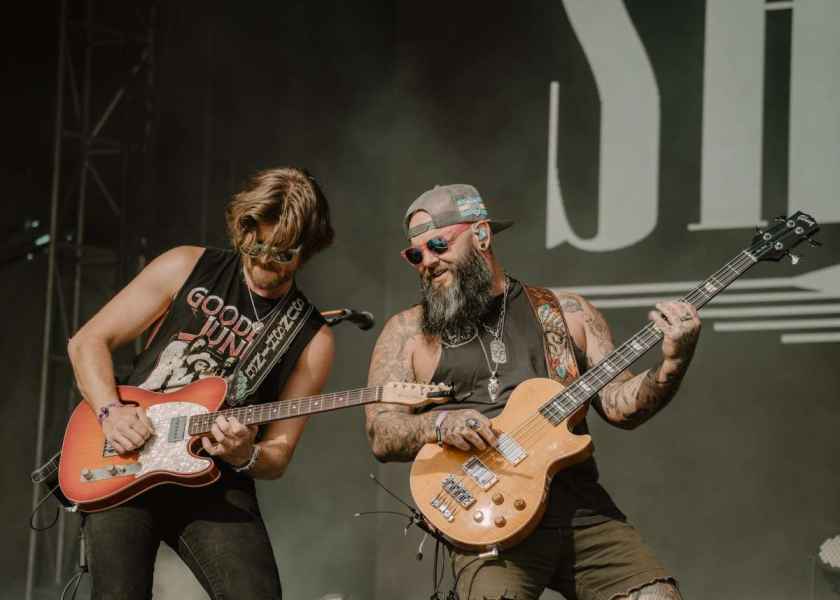
Railbird’s Saturday lineup also gave plenty of space to artists who felt deeply connected to the festival’s setting. The Burl stage, in particular, became a reminder that Railbird is at its best when it highlights Kentucky and regional talent alongside national names. Sets from acts such as Sons Of Habit and Colton Bowlin helped ground the weekend in the surrounding musical community, giving early-day crowds something that felt personal rather than simply programmed.
Sunday, however, belonged to Tyler Childers.
Childers’ return to Railbird felt less like a standard headlining slot and more like a homecoming. By the time he took the stage, the day had already built toward him with a sense of anticipation that was hard to miss. His set pulled from newer material as well as fan favorites, balancing grit, tenderness and the kind of lived-in storytelling that has made him one of the defining voices in modern country and Americana.
For Railbird, Childers is more than a marquee name. He represents the festival’s emotional center. His connection to Kentucky and to the kind of music Railbird celebrates gave Sunday night a weight that went beyond closing out a festival. It felt like a culmination of the weekend’s broader purpose: honoring where this music comes from while showing how far it continues to reach.
Still, one of the biggest stories of the weekend was Ella Langley, whose Sunday set reportedly drew the kind of attention and crowd response that made her feel like much more than a mid-card booking. Langley has been on a sharp rise, and at Railbird, she performed like an artist fully aware of the moment she is in. Her set had the bite, confidence and immediacy of someone quickly becoming a bigger force in country music.
Zach Top also helped make Sunday feel especially strong, bringing a throwback country sound that landed naturally with the Railbird audience. His set leaned into classic country textures without feeling like nostalgia for nostalgia’s sake, giving the evening a shot of honky-tonk energy before Childers closed things down.
Elsewhere on Sunday, Carter Faith and Kashus Culpepper offered two different but equally compelling versions of where country music is headed. Faith brought wit, charm and a sharp sense of personality, while Culpepper’s voice carried a soulful weight that made his set stand out early in the day. Both felt like artists worth watching well beyond the festival weekend.
That balance is what made Railbird 2026 work so well. It was big enough to draw massive crowds and major headliners, but it still felt rooted in place. The festival’s bourbon experiences, equine culture and Lexington setting were not just decorative details. They were part of the atmosphere, giving Railbird a sense of identity that many large-scale festivals struggle to maintain.
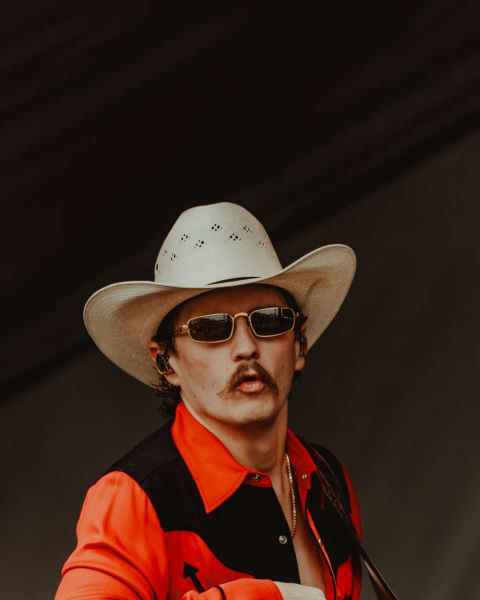
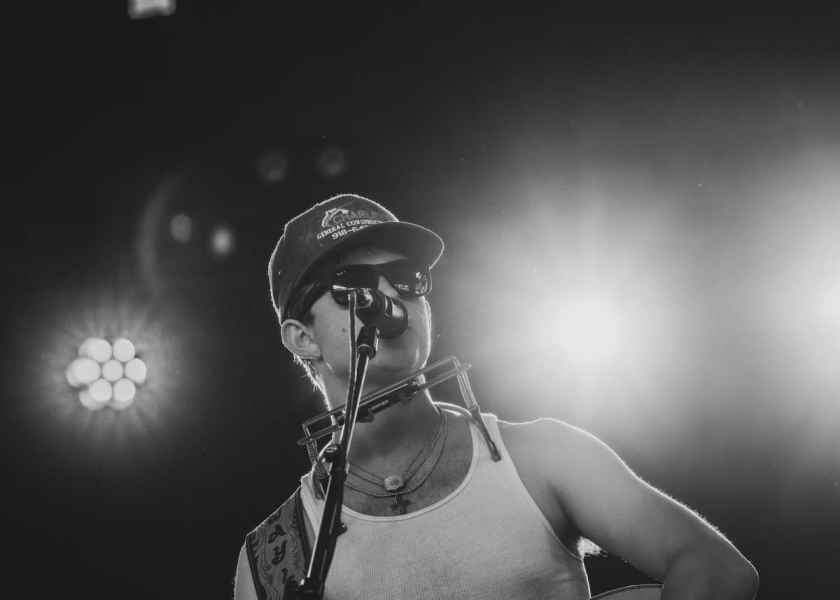
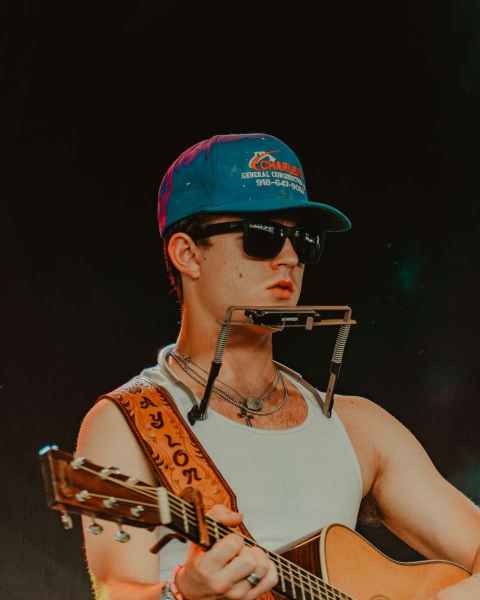
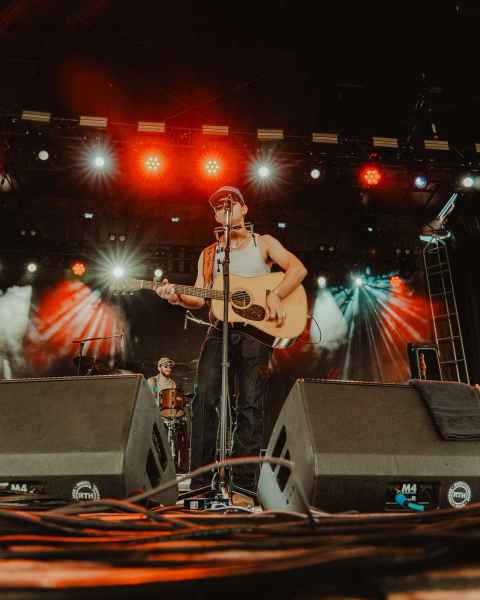
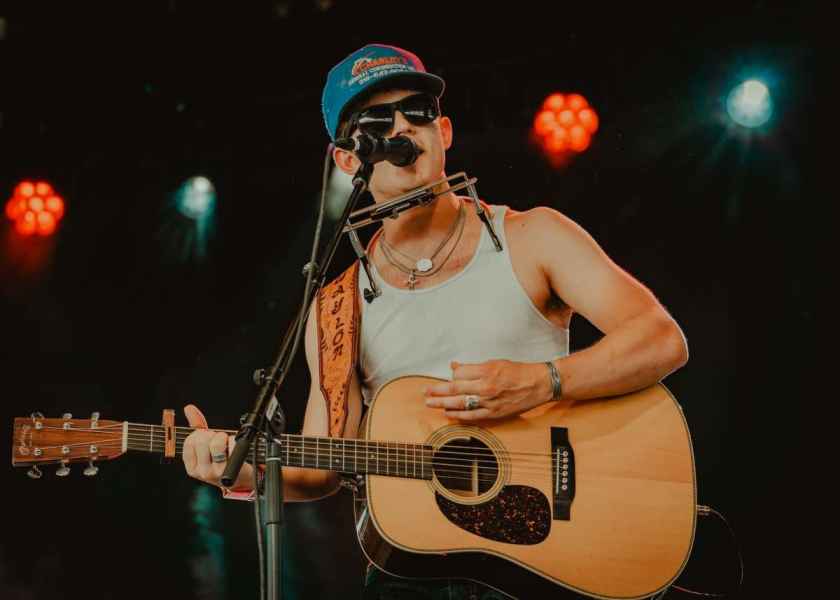
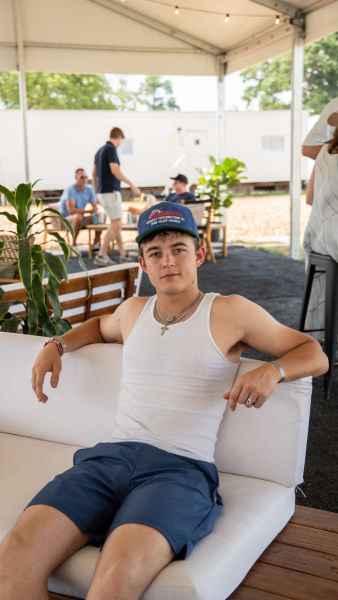
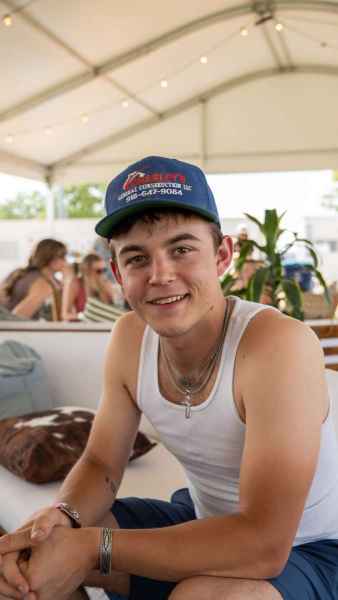
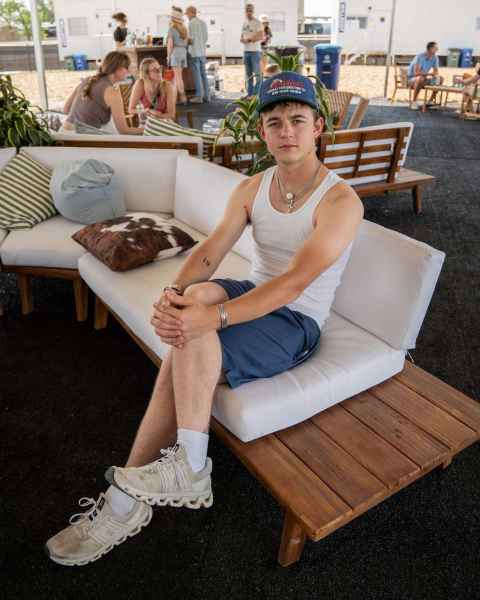
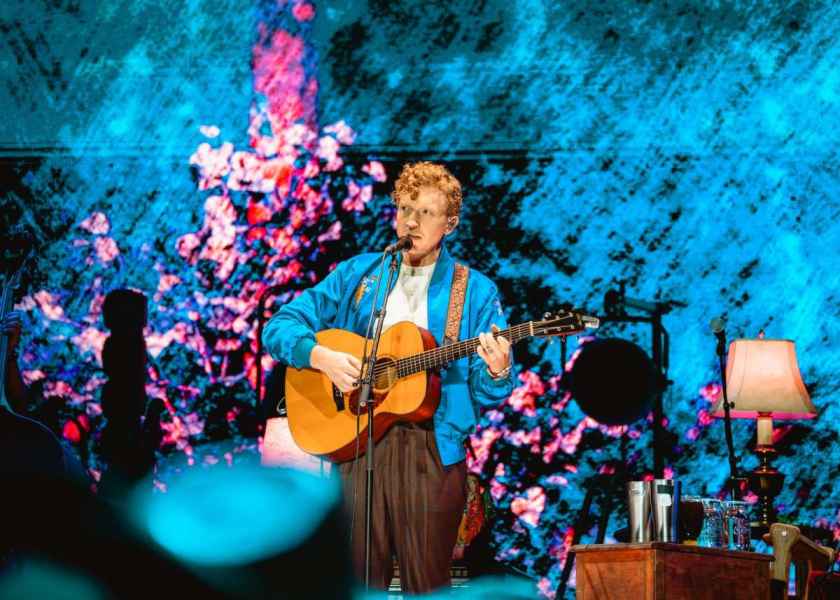
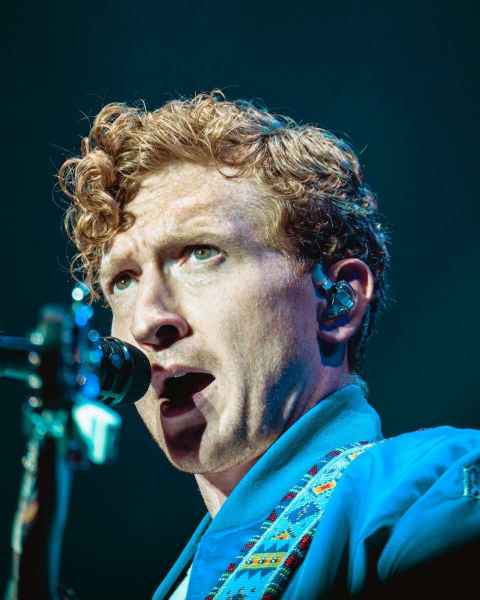
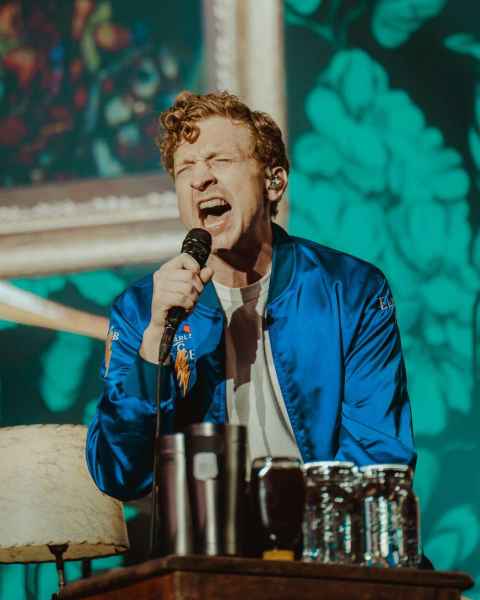
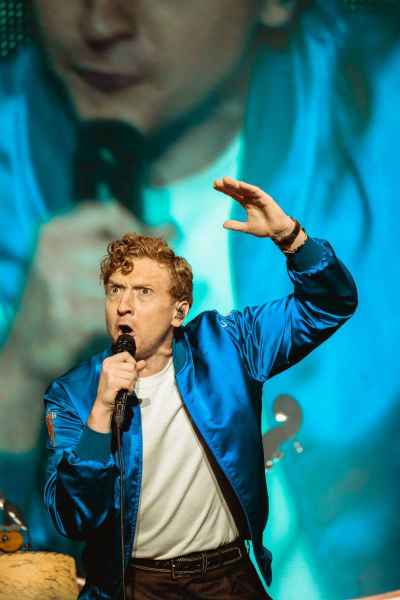
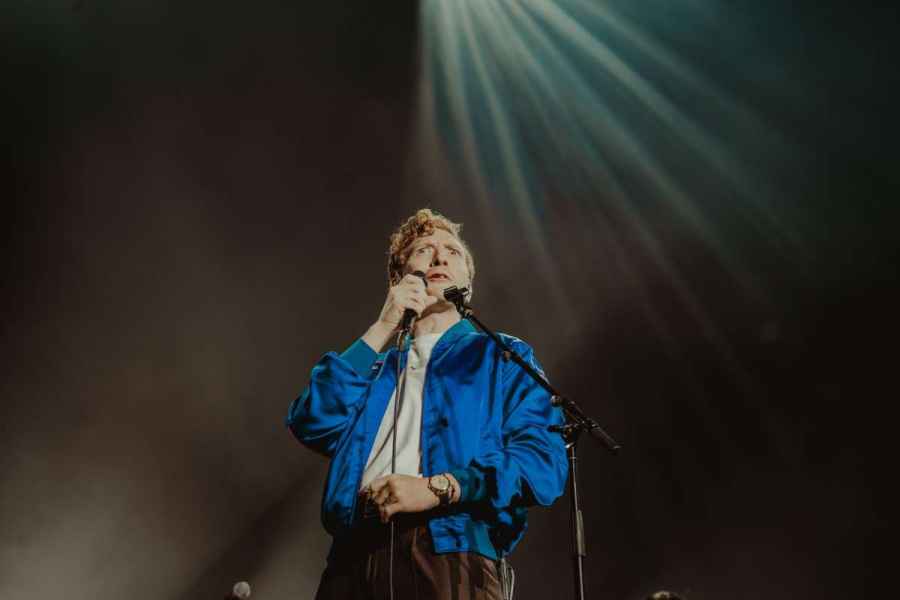
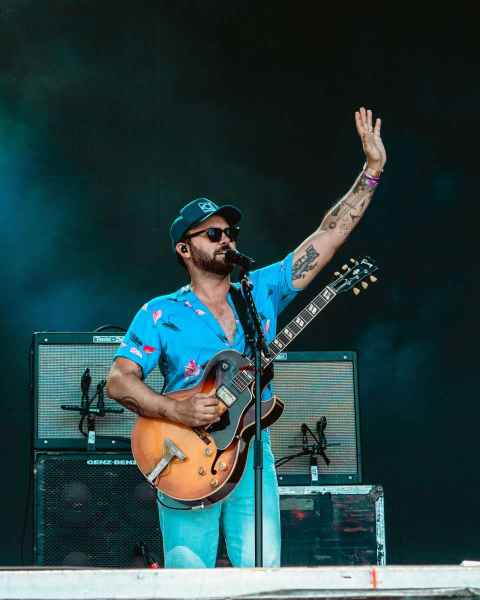
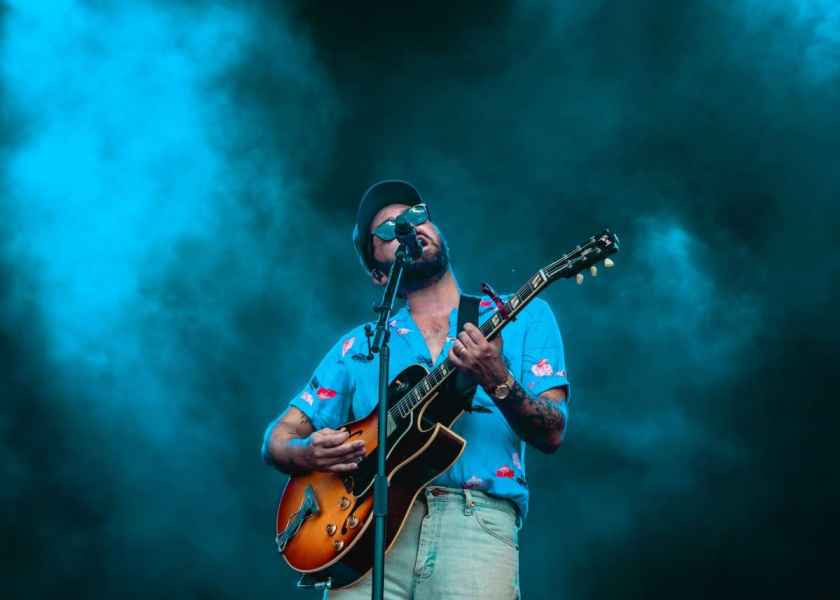
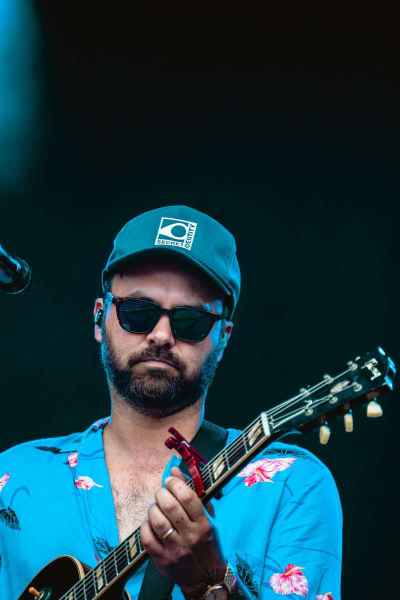
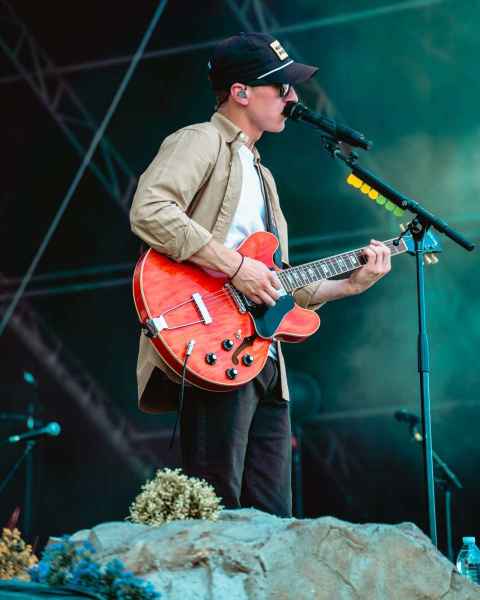
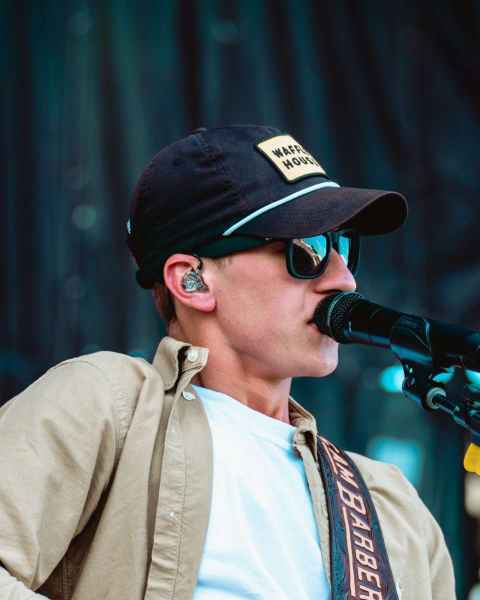
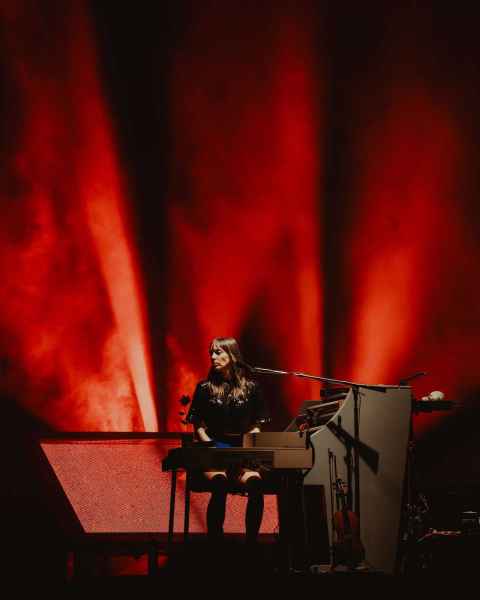
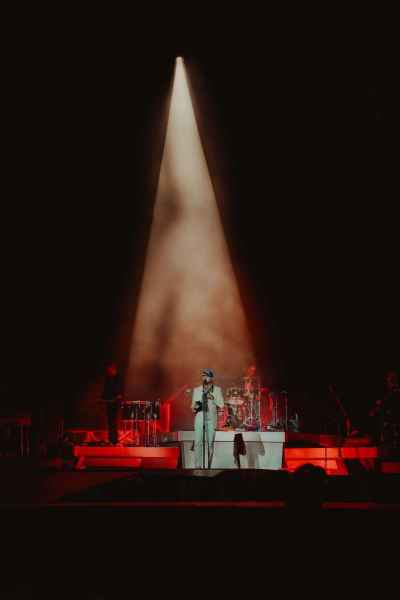
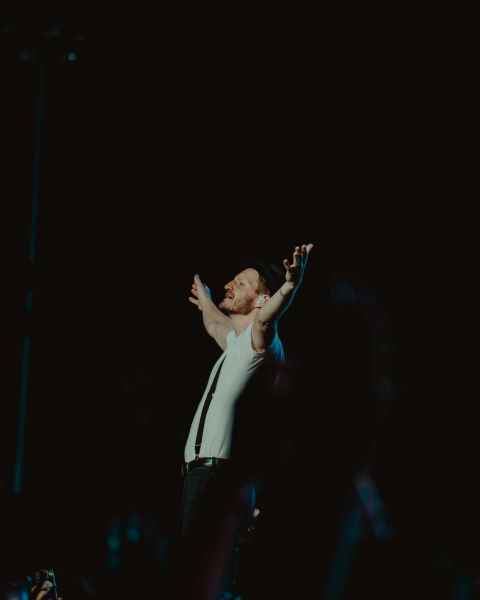
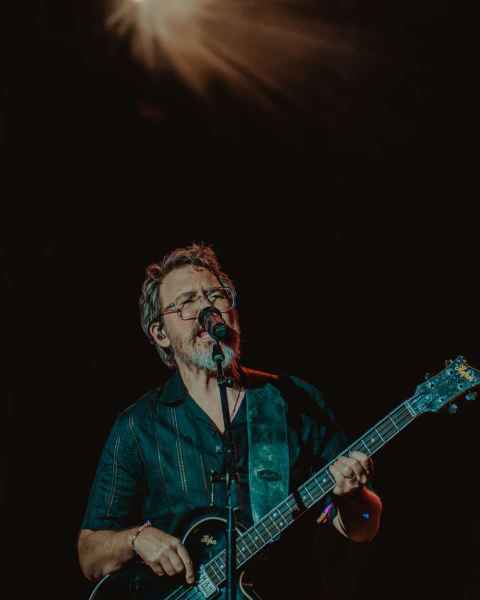
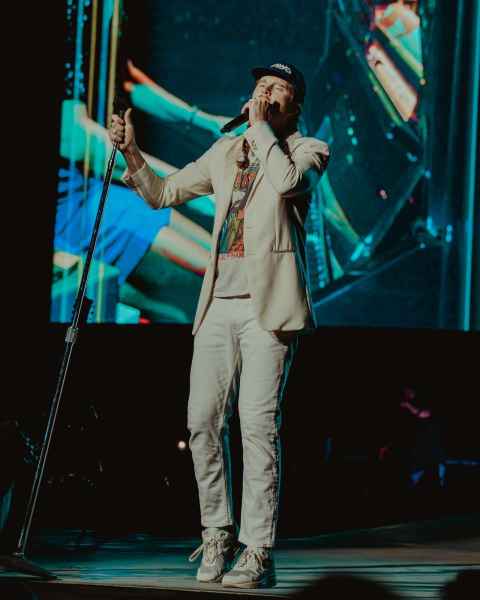
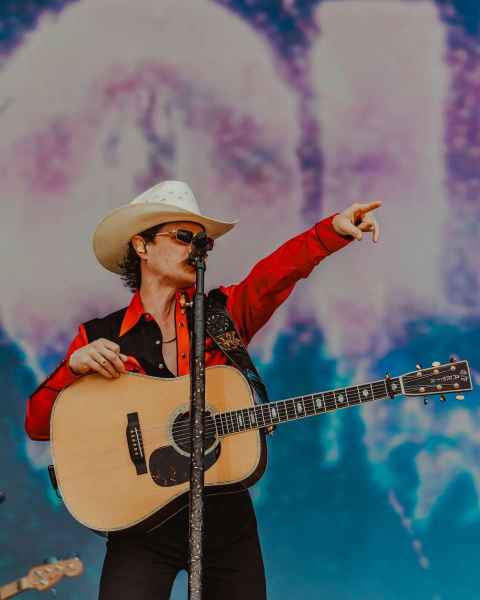
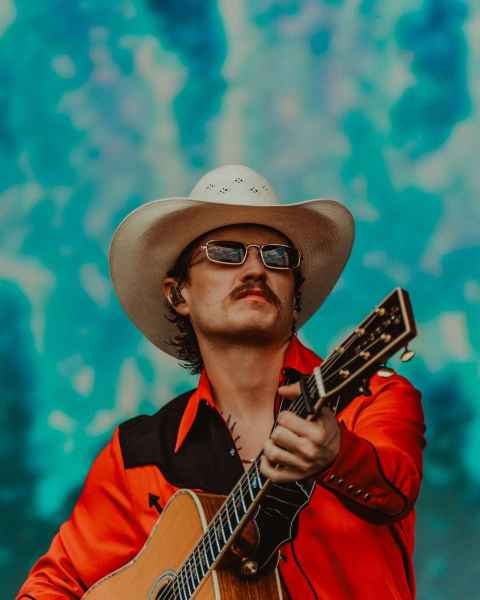
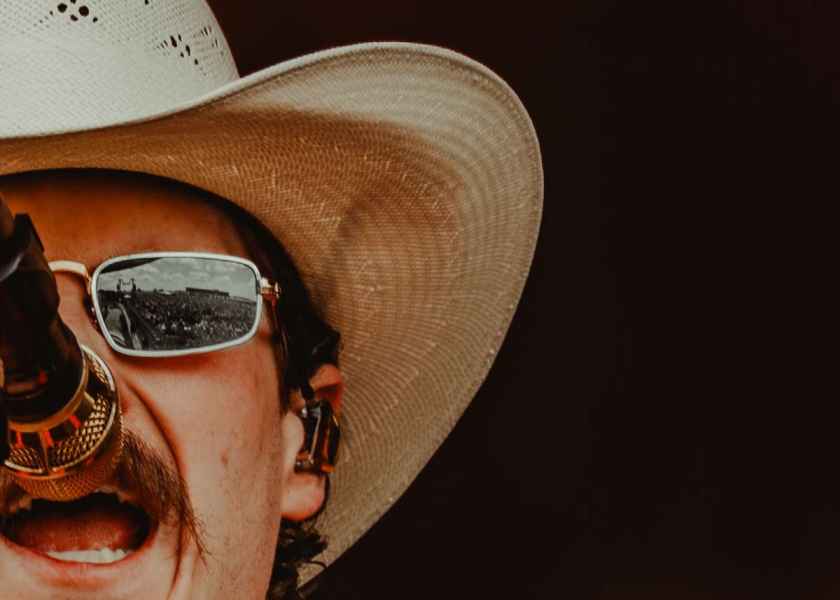
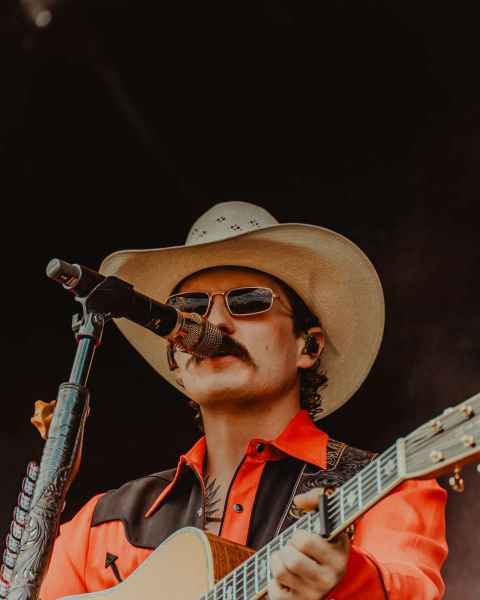
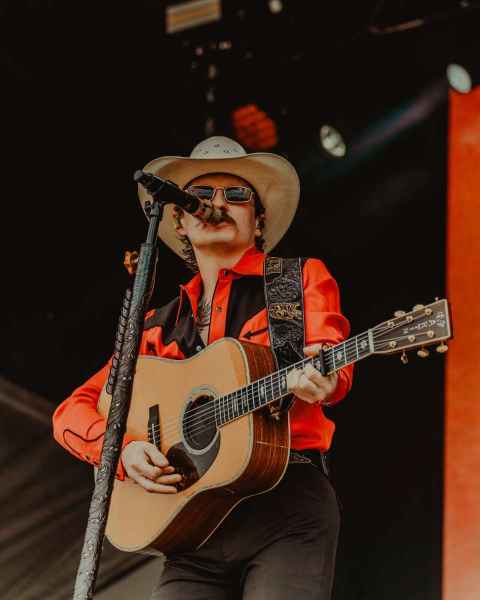
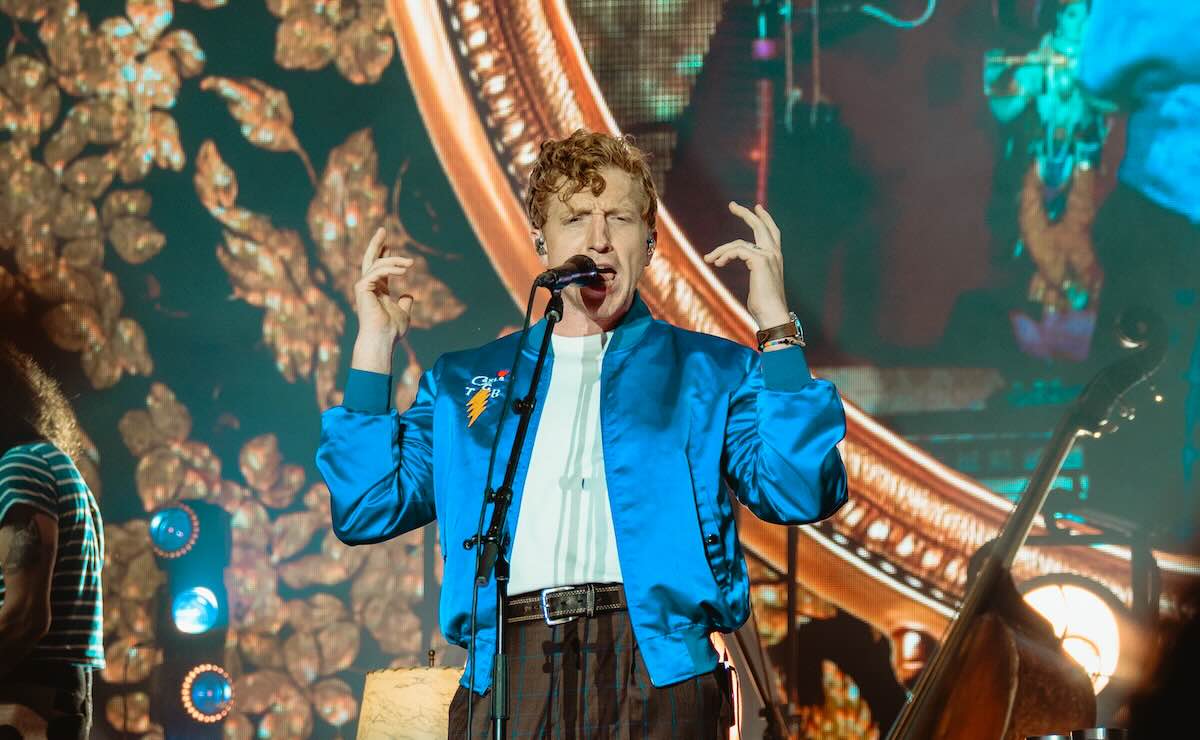
Of course, a weekend like this is also about the images: crowds pressed against the rail, artists framed by the Kentucky sky, hands in the air during golden hour, dusty boots moving between stages and the glow of the main stage after dark. Railbird is a festival that photographs well because it feels lived in. The visuals are not just about spectacle. They capture a crowd that seems to understand the assignment: show up, settle in and let the music carry the weekend.
By the end of Sunday night, Railbird had once again made the case for itself as one of the most distinctive festival experiences in the country. It brought the big names, yes, but it also delivered the smaller discoveries, the local pride, the rowdy singalongs and the quieter moments that make a festival feel memorable after the stages go dark.
Railbird 2026 was not just another stop on the summer festival calendar. It was a Kentucky weekend through and through, and one that showed exactly why fans keep coming back to Lexington.
See photos below from Railbird 2026, by Summer Compton.